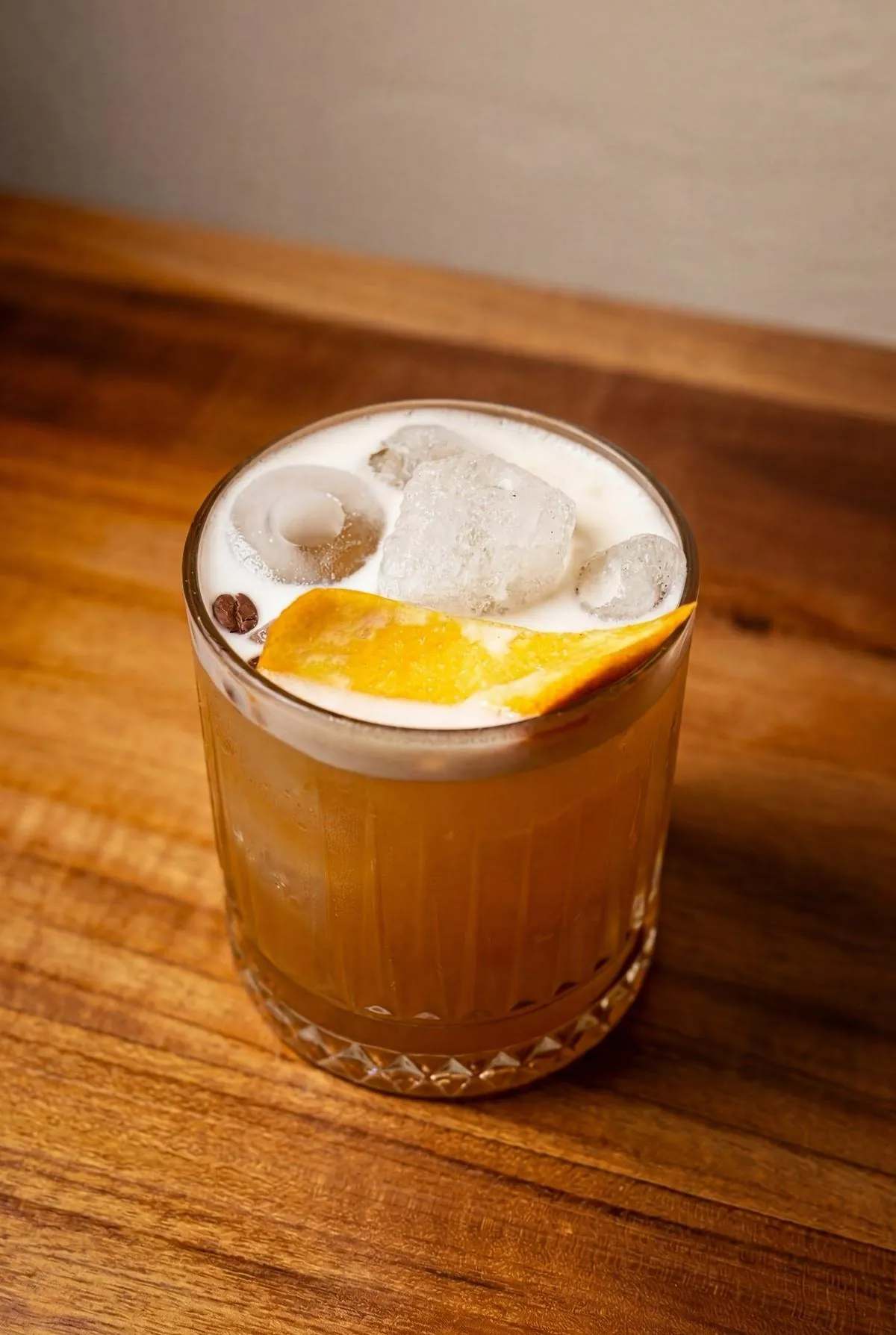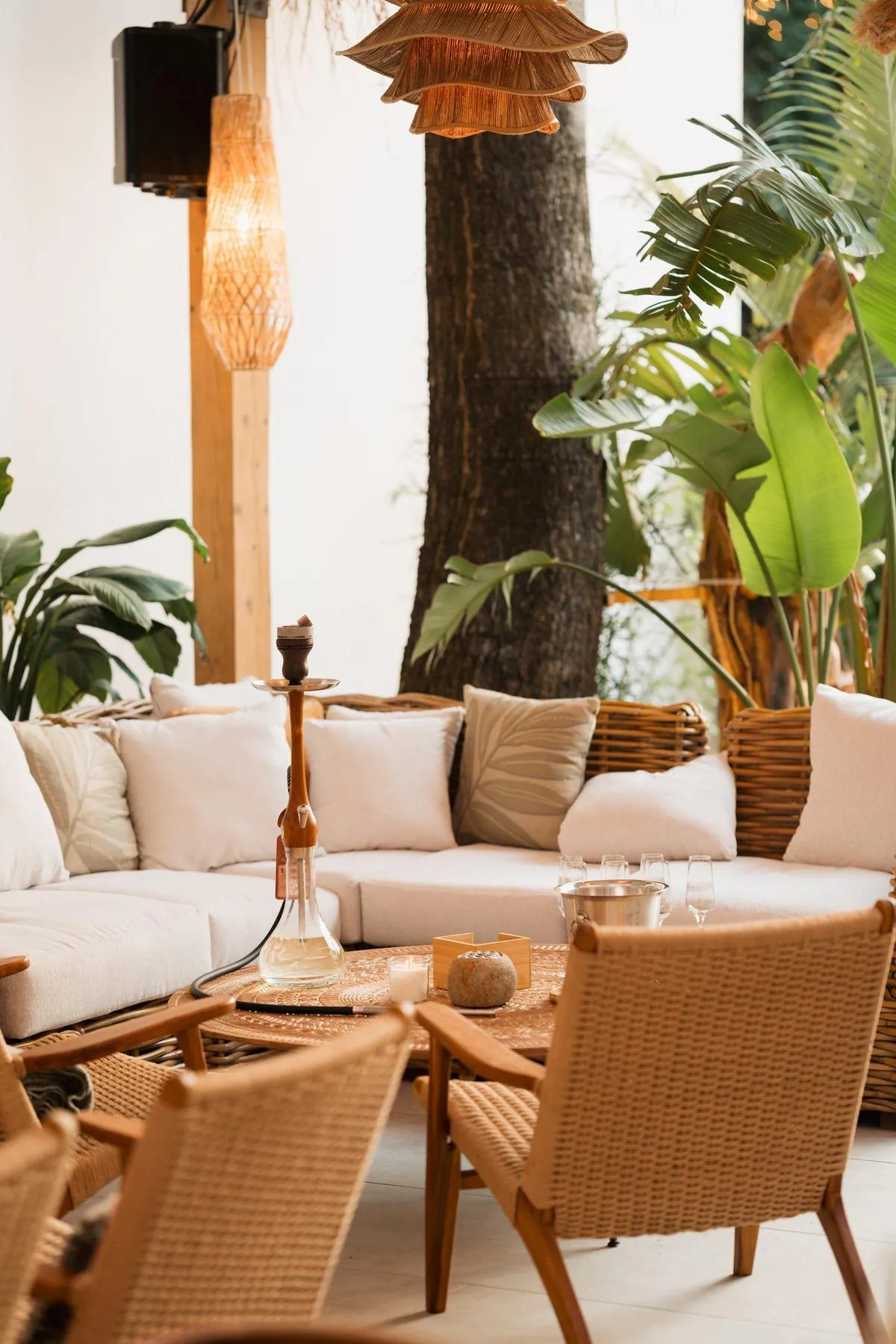
Two days is not enough to see Bucharest properly. It is, however, exactly enough to eat Bucharest properly — if you plan around meals instead of monuments. The city's food scene has finally caught up with its architecture: historic taverns kept their kitchens honest, a young generation opened serious coffee shops, and a small wave of modern dining rooms has turned dinner into something worth a flight.
This is the itinerary we send to friends visiting for a weekend. It assumes you land on Friday afternoon and leave Sunday evening, that you would rather book one good table than chase three average ones, and that you do not mind walking. We have included a few stops that are not ours — we recommend them because they are the right answer to the question, not because anyone asked us to.
Friday: arrival, settling in
Late afternoon · check in, walk Old Town
Drop your bag and head into Centrul Vechi, Bucharest's Old Town. The fastest orientation is on foot: walk Lipscani end to end, cross past Stavropoleos Monastery, glance into Cărturești Carusel — a six-floor bookstore inside a restored 19th-century bank — and let yourself get a little lost. Old Town is small enough that you cannot really get lost for long.
Tourists are sometimes warned that Old Town is touristy. It is, in places. But it is also the most concentrated walk of restored merchant houses, courtyards and stone streets in the city, and the right venues inside it are not tourist traps.
Dinner · the traditional opener
For the first night, eat traditional Romanian. The classic answer is Caru' cu Bere — a beer hall from 1879 with neo-Gothic stained glass, a 200-capacity dining room, and a menu of sarmale, mititei and ciorbă that has not seriously changed in a century. Yes, every guide recommends it. Yes, it is still very good. Book a table ahead; turning up unannounced on a Friday night rarely works.
If Caru' cu Bere is full or you want a quieter alternative, Hanu' lui Manuc is the other historic choice — an 1808 caravanserai built around a wooden-balconied courtyard. The food is slightly less famous, the setting is just as striking.
After dinner · a slow drink
End the night within walking distance of dinner. Old Town has good cocktail bars in restored cellars and bad ones with promoters at the door — the difference is usually whether you can see a menu before you sit down. If you want shisha rather than cocktails as the late-night anchor, this is where Komodo Rooftop Old Town on Strada Șelari fits cleanly: tableside service, no club energy, the evening can stretch.
Saturday: the long day
Morning · proper coffee
Bucharest's coffee scene is genuinely good now. Skip the hotel breakfast and walk to Origo Coffee Shop on Strada Lipscani — they roast their own beans, the espresso is taken seriously, and the room turns into a bar in the evening. M60 in Mendeleev and Beans & Dots in Universitate are the other reliable picks if Origo is too crowded.
Pair coffee with a pastry from French Revolution (multiple locations) or a savoury covrigi from a street kiosk if you want to eat the way locals do on weekend mornings.
Late morning · markets and bread
If you have one hour, walk through Piața Amzei — a covered market with cheese, charcuterie, olives, pickled everything, and stalls selling bread that came out of the oven that morning. It is not a Borough Market or La Boqueria, but it is honest and Romanian.
A short detour to Cărturești Verona — the original Cărturești bookstore, with a garden — gives you a quieter version of the Carusel branch and a coffee under trees.
Lunch · light, sit-down
For lunch, pick something light so dinner stays the main event. Origo turns into a small kitchen by midday. Cuib in the Armenian quarter does seasonal Romanian-leaning dishes in a converted house. Anatoli on Calea Dorobanți is the brunch option if you slept in.
Whatever you choose, eat slowly. Bucharest rewards an unhurried lunch more than a quick one — the city's rhythm is built around the table.
Afternoon · museums or a long walk
Two afternoon options for the gap between lunch and dinner. The cultural choice: the National Museum of Art in the former Royal Palace on Calea Victoriei, or the Museum of the Romanian Peasant in Piața Victoriei. The walking choice: Calea Victoriei from north to south, ending at the Old Town, with stops at Athenaeum, the bookshops on the way, and a coffee somewhere in the middle.
Dinner · the modern, ambitious night
This is the dinner that will define the trip. Bucharest now has a small handful of modern restaurants that would not feel out of place in Lisbon or Copenhagen. Kaiamo on Strada Pictor Stahi serves a tasting menu rooted in Romanian ingredients but plated with Nordic restraint. The Artist on Calea Victoriei is the other ambitious tasting choice. Both require booking days in advance.
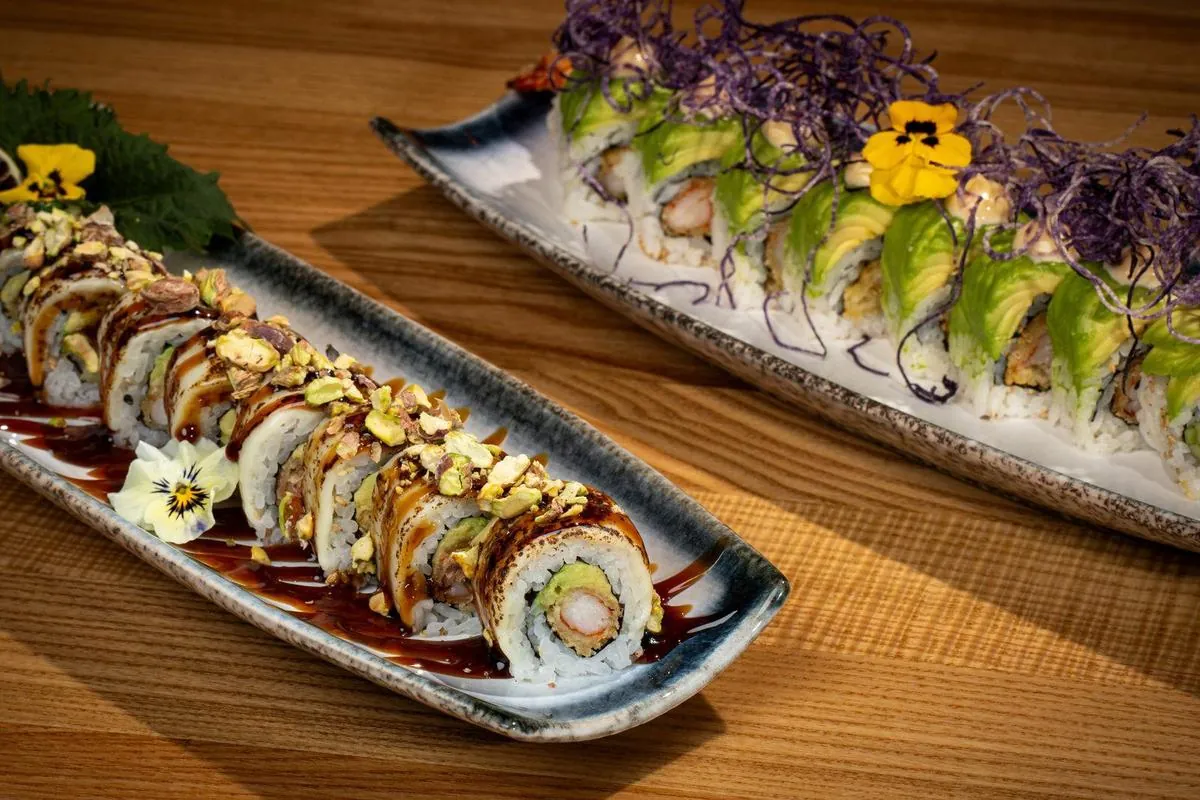
If you want a modern dinner without a tasting menu, the answer is an Asian-leaning lounge instead of a sit-down restaurant. Komodo Lounge Floreasca sits on Calea Floreasca in a villa designed around the table rather than the bar — sushi cut to order, signature cocktails, a long list of small plates, and shisha for guests who want to stay through midnight. It is a fifteen-minute taxi from Old Town and a different kind of evening than anything in the centre.
Late · a nightcap on your terms
Bucharest's best nightcaps are not in the obvious places. If you want jazz or a piano, look for Linea / Closer to the Moon. For natural wine, Cardinal or Le Bistrot Français. For shisha and a slower close to the night, you are already at the right venue if you ate at Komodo Floreasca — the kitchen quietens, the bar slows, and the room becomes a lounge.
Sunday: the easy day
Brunch · take your time
Sunday brunch is a Bucharest institution. The strongest options sit in the modern north of the city. Anatoli on Dorobanți. Frudisiac for cleaner, vegetable-led plates. Cuib if you skipped it for lunch the day before. Reserve — the good places are full by 11:00 on weekends.
Afternoon · the soft sightseeing
Sunday afternoon is when Bucharest is at its most charming. The traffic eases, the parks fill, and the city slows down by a half-beat. Herăstrău (now Regele Mihai I Park) is the obvious choice — a long lake, rented boats in summer, an open-air ethnographic museum (Muzeul Satului) inside the park. Cișmigiu is the smaller, more central option.
If you have already done parks, take a taxi to Therme București — a thermal spa twenty minutes north of the city, with palm-lined pools and quiet relaxation rooms. Two hours there resets a weekend.
Dinner · the leaving meal
For the last dinner, pick something that closes the trip cleanly rather than something ambitious. A long evening with conversation, a few small plates and an unhurried bottle of wine usually beats a tasting menu when you have a flight in the morning. The lounge format works well here — somewhere you can stay as long as you want without anyone clearing the table.
Komodo Lounge Floreasca was built for this kind of evening. Asian small plates that can become a full dinner or a snack, signature cocktails, shisha if you want it, no rush. It is also fifteen minutes from Henri Coandă airport, which matters if you have a Monday morning flight.
A quick reference list
Historic Romanian: Caru' cu Bere · Hanu' lui Manuc
Modern tasting: Kaiamo · The Artist
Modern lounge / Asian: Komodo Lounge Floreasca · Komodo Rooftop Old Town
Coffee: Origo · M60 · Beans & Dots
Brunch: Anatoli · Cuib · Frudisiac
Markets & bread: Piața Amzei · French Revolution
Cultural stops: Cărturești Carusel · National Museum of Art · Cișmigiu Park · Herăstrău
Practical notes
- Book ahead. Every restaurant in this list takes reservations and most need them on weekend evenings.
- Use ride-hailing apps. Bolt is universal. Taxis flagged on the street are sometimes a problem.
- Carry small cash. Cards work everywhere serious, but markets, kiosks and tips run easier on cash.
- Tip 10%. Service is rarely included; 10% is the norm in restaurants.
- Plan around walking. Old Town is dense and walkable. Distances between Old Town and Floreasca need a taxi — about 15 minutes, depending on traffic.
Frequently asked questions
Is 48 hours enough to eat well in Bucharest?
Yes — two days is enough to cover the essentials if you plan around meals instead of attractions. Pick one historic Romanian dinner, one modern dinner, two strong coffee stops, and one long late evening, and you have a complete picture of the city's food scene.
Which neighbourhoods should I focus on for food in Bucharest?
For tourists, Old Town (Centrul Vechi) is the easiest starting point because it concentrates historic restaurants and short walking distances. Floreasca and Dorobanți are the modern dining districts — quieter, more residential, with newer venues.
Do I need reservations in Bucharest?
For the venues in this itinerary, yes — especially on Friday and Saturday evenings. Bucharest's better restaurants fill quickly on weekends, and walking in without a booking often means a long wait or being turned away.
Is Bucharest expensive for food?
By Western European standards, no. A full meal at a mid-range restaurant typically costs less than a comparable lunch in Paris or London. Tasting menus and premium dinners are still notably cheaper than their European counterparts.